What Is an Economic Calendar and How Does It Work?
MultiFi
15 October 2026
Reading Time - 10 minutes
For anyone interested in Forex trading in Lebanon, understanding when market-moving economic news is released is just as important as studying charts.
Most beginner traders spend hours searching for:
- indicators,
- chart patterns,
- trading signals,
- and entry strategies.
But many ignore one of the most powerful tools in financial markets:
The Economic Calendar.
A trader can have:
- perfect technical analysis,
- strong chart setup,
- proper risk management,
yet still lose money within seconds if they ignore a major economic event.
This is why experienced traders monitor the economic calendar daily. A Lebanon Economic Calendar can help locally based traders track international announcements in Lebanon time and prepare for events affecting major currency pairs.
It is not just a “news schedule.”
It is a road map of potential market volatility.
Understanding how to use the economic calendar properly can help traders:
- avoid unnecessary losses,
- identify volatility opportunities,
- understand market sentiment,
- and improve timing decisions.
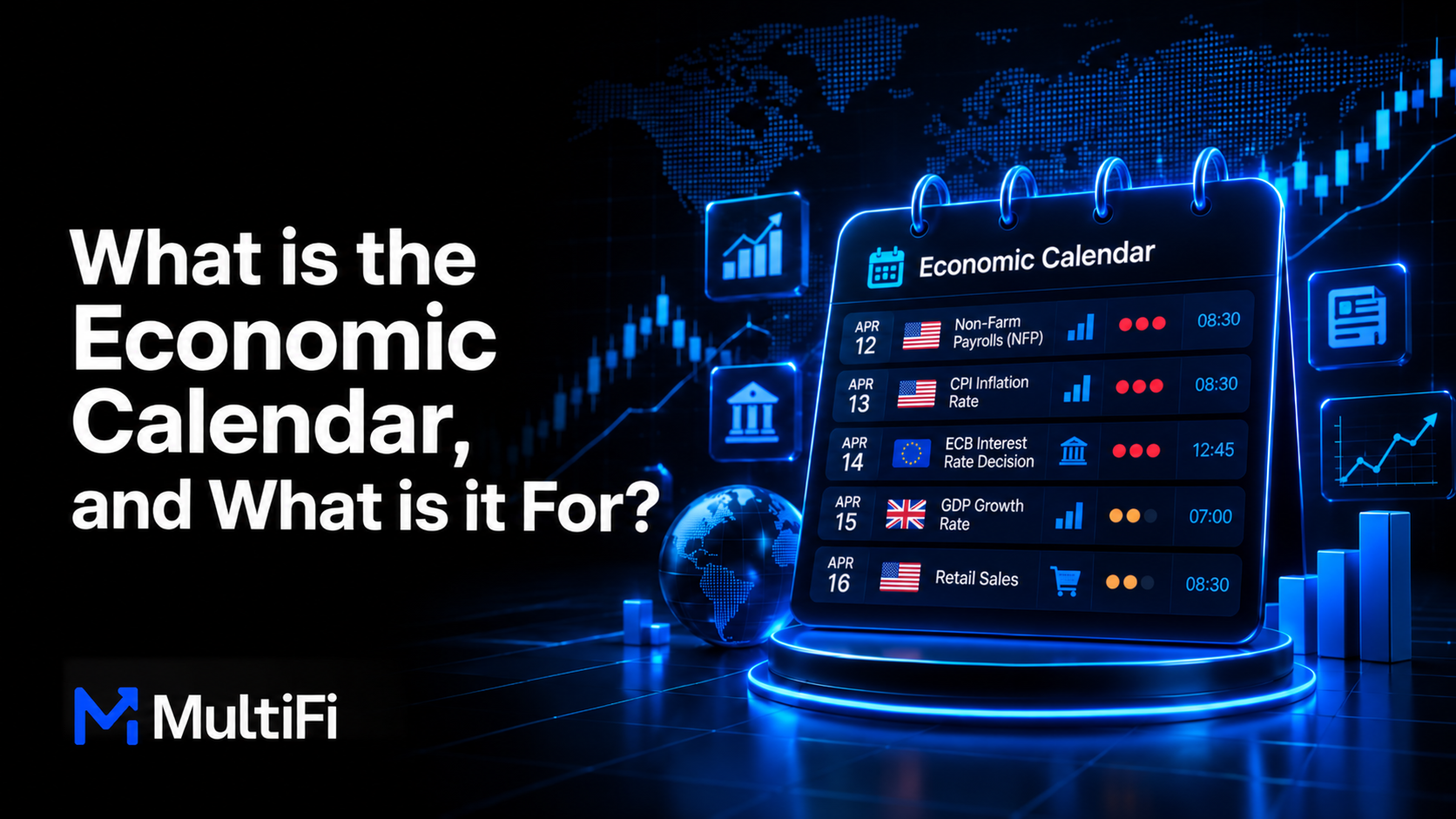
What is an Economic Calendar?
An economic calendar is a schedule of:
- economic data releases,
- central bank decisions,
- speeches,
- inflation numbers,
- employment reports,
- GDP releases,
- and major macroeconomic events.
These events influence:
- Forex,
- Gold,
- Oil,
- Bonds,
- Stocks,
- Crypto,
- and global risk sentiment.
Whether you are learning about currency markets or already trading through a Forex Trading Account in Lebanon, the calendar helps you know:
- what event is coming,
- when it will happen,
- how important it is,
- and what the market expects.
Why Does the Economic Calendar Matter?
Financial markets move based on:
- expectations,
- surprises,
- and future outlook.
Markets are constantly trying to answer:
- Will inflation rise?
- Will interest rates increase?
- Is the economy slowing?
- Will central banks become aggressive?
- Is recession risk growing?
Economic data gives clues to these answers.
And markets react instantly.
Example: U.S. Inflation Data (CPI)
Suppose traders expect:
- U.S. CPI inflation = 3.2%
But actual data comes at:
- 3.8%
This means inflation is hotter than expected.
Markets may immediately think:
- Federal Reserve may keep rates higher,
- rate cuts may be delayed,
- Treasury yields may rise,
- dollar may strengthen.
Possible market reaction:
- EUR/USD falls,
- Gold drops,
- U.S. dollar rallies.
This is why economic data matters.
Markets react not just to data itself — but to the difference between:
- expectation,
- and actual result.
Key Components of an Economic Calendar
Most calendars show:
| Component | Meaning |
| Event Time | When data is released |
| Currency Impact | Which currency may move |
| Previous Data | Last released number |
| Forecast | Market expectation |
| Actual | Real released number |
| Impact Level | Expected volatility |
Understanding “High Impact” Events
Not all news events matter equally.
Some events create massive volatility.
Common high-impact events include:
- U.S. Non-Farm Payrolls (NFP)
- CPI Inflation
- Federal Reserve meetings
- ECB rate decisions
- Bank of England decisions
- GDP data
- Retail sales
- Unemployment numbers
These events can move markets aggressively within seconds.
Real Trading Example: Non-Farm Payrolls (NFP)
Suppose:
- NFP forecast = 180K jobs
- Actual result = 320K jobs
This suggests:
- strong U.S. labor market,
- stronger economy,
- potential inflation pressure.
Traders may expect:
- Federal Reserve to remain hawkish.
Possible reaction:
- USD strengthens sharply,
- EUR/USD drops,
- Gold falls,
- Treasury yields rise
A trader ignoring the calendar might suddenly wonder:
“Why did EUR/USD crash 80 pips in two minutes?”
The answer:
- major economic release.
Why Beginners Often Lose During News Events
Many traders enter trades without checking the calendar.
Then suddenly:
- spreads widen,
- slippage increases,
- stop losses get hit,
- volatility explodes.
This is common during:
- CPI,
- NFP,
- central bank speeches,
- geopolitical headlines.
Example of Spread Expansion
Suppose EUR/USD normally has:
- 1 pip spread.
During major news:
- spread may widen to 10–20 pips temporarily.
A trader using tight stop losses may get stopped out instantly even if the direction later becomes correct.
This is why professionals are careful around major data releases.
How an Economic Calendar Helps Traders Avoid Bad Timing
One of the biggest advantages of the calendar is risk awareness.
Example:
A trader wants to enter Gold buy positions.
But:
- U.S. Federal Reserve decision is due in 20 minutes.
Instead of entering blindly, the trader may:
- reduce position size,
- wait for volatility to settle,
- or avoid trading completely.
Sometimes the best trade is no trade.
Why an Economic Calendar Matters for Forex Trading in Lebanon
For traders following Forex trading in Lebanon, global events such as US inflation releases, Federal Reserve decisions and Eurozone economic data can influence the pairs they trade. Forex markets are highly sensitive to macroeconomic data because currencies depend heavily on:
- interest rates,
- inflation,
- economic growth,
- monetary policy,
- bond yields.
Example:
If U.S. interest rates rise faster than Eurozone rates:
- USD may strengthen against EUR.
This directly impacts:
- EUR/USD,
- GBP/USD,
- USD/JPY,
- USD/INR,
- and other currency pairs.
Practical Example: Central Bank Meeting
Suppose:
- markets expect no rate hike,
- but the Federal Reserve unexpectedly raises rates.
Possible market reaction:
- DXY rallies strongly,
- Gold drops sharply,
- Nasdaq weakens,
- USD/JPY jumps higher.
Central bank surprises create some of the biggest market moves.
Swing Traders Also Need Economic Calendars
Many people think only day traders need economic calendars.
Wrong.
Swing traders may hold positions overnight or for weeks.
Unexpected macro events can cause:
- overnight gaps,
- trend reversals,
- extreme volatility.
Example:
A swing trader holds crude oil short positions.
Suddenly:
- geopolitical tensions escalate,
- supply concerns rise,
- oil gaps higher by 4%.
Without calendar awareness and macro awareness, risk becomes dangerous.
How Professional Traders Use Economic Calendars
Professional traders usually:
- check calendar before market open,
- identify high-impact events,
- avoid unnecessary exposure,
- reduce leverage during volatile events,
- prepare multiple scenarios.
They do not react emotionally after the event.
They prepare before the event.
How to Use a Lebanon Economic Calendar in Your Daily Trading Routine
Before Your Trading Session:
Set your economic calendar to the Asia/Beirut time zone and check daylight-saving adjustments when comparing release times. The calendar should display the event time, affected currency, expected impact, forecast and actual result.
Before Market Opens:
Check:
- major economic releases,
- central bank speeches,
- geopolitical developments,
- bond market events.
Mark High-Impact Events:
Especially:
- CPI
- NFP
- Fed meetings
- ECB decisions
- GDP
- Retail sales
Adjust Trading Plan:
If major event is near:
- reduce risk,
- avoid overleveraging,
- widen stops carefully,
- or stay flat
Economic Calendar + Technical Analysis = Better Decisions
Technical analysis alone is incomplete.
Suppose charts show:
- strong bullish breakout in Gold.
But:
- major Fed hawkish speech is due in 15 minutes.
Ignoring the macro event can be risky.
The best traders combine:
- technical structure,
- macroeconomic understanding,
- and event awareness.
Economic Calendar is Not a Prediction Tool
This is important.
The calendar does not guarantee market direction.
Sometimes:
- strong data causes dollar rally,
- sometimes markets already priced it in,
- sometimes markets react opposite to logic.
Markets depend on:
- positioning,
- expectations,
- sentiment,
- liquidity,
- and broader macro context.
Professional traders understand probabilities — not certainties.
Common Beginner Mistakes
- Trading During High Volatility Without Experience
Beginners often get trapped by:
- sudden spikes,
- emotional entries,
- fake breakouts.
- Ignoring Forecast vs Actual
Markets react mainly to:
- surprise factor,
not just the number itself.
- Overleveraging Before News
One unexpected data release can destroy heavily leveraged positions.
- Blindly Following Headlines
Professional traders focus on:
- deeper macro interpretation,
not sensational headlines.
Example: Gold and Inflation
Suppose:
- inflation rises sharply,
- bond yields rise,
- Fed becomes aggressive
Many beginners think:
“Inflation up = Gold always up.”
But reality is more complex.
If:
- real yields rise,
- dollar strengthens,
- Gold may actually fall.
This is why traders must understand macro relationships — not simple assumptions.
Where to Find an Economic Calendar for Lebanon
Popular choices include:
- Forex Factory
- Multifi.trade
- Investing.com Economic Calendar
- Trading Economics
- DailyFX Calendar
Traders in Lebanon can use these international calendars by selecting their local time zone. A calendar is an information tool; it is not a brokerage service or a guarantee of accurate market forecasts.
These platforms help traders monitor:
- upcoming events,
- forecasts,
- previous data,
- and volatility expectations.
FAQs
1. What is an economic calendar in Forex trading?
An economic calendar is a schedule of important financial events, including inflation reports, employment data, GDP releases, central bank meetings, and interest rate decisions. It helps traders prepare for potential market volatility.
2. Why is the economic calendar important for traders?
The economic calendar helps traders identify high-impact events that can cause significant price movements. By monitoring upcoming news releases, traders can better manage risk, avoid unexpected volatility, and improve trade timing.
3. Which economic events have the biggest impact on the Forex market?
Some of the most influential events include Non-Farm Payrolls (NFP), Consumer Price Index (CPI), GDP reports, Federal Reserve interest rate decisions, ECB meetings, unemployment data, and retail sales reports.
4. How do traders use an economic calendar?
Professional traders review the economic calendar before each trading session, identify high-impact events, adjust position sizes, reduce leverage during major announcements, and plan trades around expected market volatility.
5. What do Previous, Forecast, and Actual mean in an economic calendar?
- Previous: The result from the last data release.
- Forecast: The market’s expected value.
- Actual: The officially released figure.
Markets often react to the difference between the forecast and the actual result rather than the number itself.
6. Which is the best economic calendar for Forex trading?
Some of the most popular economic calendars include Forex Factory, Investing.com Economic Calendar, Trading Economics, and DailyFX. These platforms provide real-time economic events, forecasts, and market impact ratings.
7. Can beginners use an economic calendar?
Yes. Beginners should use an economic calendar to avoid trading during major news releases without preparation. Understanding upcoming events can help reduce unnecessary losses caused by sudden market volatility.
8. Does the economic calendar predict market direction?
No. An economic calendar does not predict whether prices will rise or fall. Instead, it highlights important events that may increase volatility. Market reactions depend on expectations, actual data, investor sentiment, and broader economic conditions.
9. Is the Lebanon Economic Calendar different from a global economic calendar?
A Lebanon Economic Calendar usually refers to a global calendar viewed in Lebanon’s local time zone. It can display major international releases, such as US CPI, NFP and central bank decisions, as well as relevant Lebanese economic announcements when available.
10. Do I need a Forex Trading Account in Lebanon to use an economic calendar?
No. You can check economic calendars for free without opening a Forex Trading Account in Lebanon. An account is only relevant if you decide to place trades through a broker. Check the provider’s authorisation, terms, fees and risks before depositing funds.
11. How can beginners use an economic calendar for Forex trading in Lebanon?
Beginners can start by checking the calendar in Lebanon time, identifying high-impact releases affecting their chosen currency pairs, and noting both forecast and actual figures. For Forex trading in Lebanon, the focus should be on understanding volatility and managing risk rather than trying to predict every news-driven price move.
Final Thoughts
The economic calendar is an essential planning tool for traders, including those exploring Forex trading in Lebanon.
It helps traders:
- understand market-moving events,
- prepare for volatility,
- avoid emotional mistakes,
- and align trading decisions with macroeconomic reality.
Markets are not driven only by charts.
They are driven by:
- interest rates,
- inflation,
- growth expectations,
- liquidity,
- and global sentiment.
A trader who ignores the economic calendar is trading partially blind.
The goal is not to fear volatility.
The goal is to understand when volatility may arrive — and prepare intelligently for it.
In this article